Thirty Seconds to Air: A Teen's Field Guide to Getting on UK Youth Radio

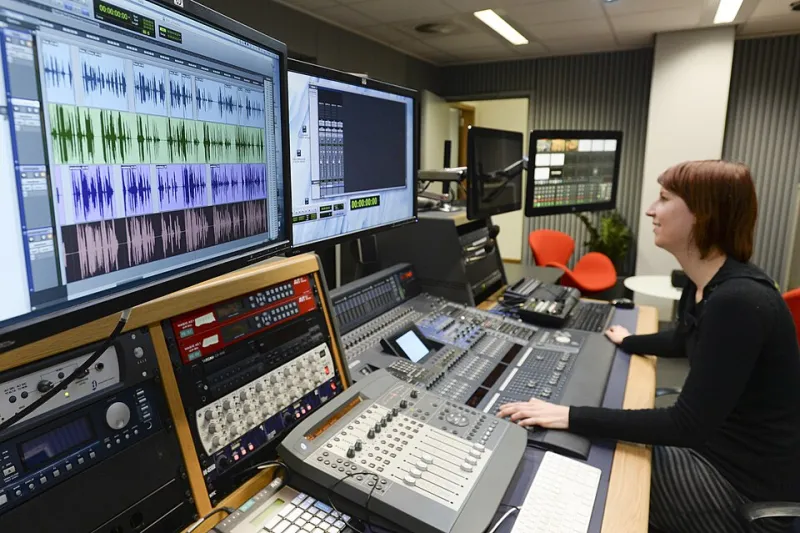
Photo: Shenasings, CC BY-SA 4.0, via Wikimedia Commons
Getting on youth radio is not as mysterious as it looks from the outside. It is not a secret club, and you do not need a media degree, a posh microphone or a contact who knows a contact. You need an idea, a bit of nerve and a basic understanding of how live radio actually works. The rest is mostly timing, manners and knowing when to stop talking.
This is the field guide we wish more first-time callers had read before they rang a station, texted a presenter mid-show or turned up at the front door with a demo on a USB stick.
First, Find Your Way In
Not every youth station has an open phone line, and not every presenter wants a cold call during a music sweep. Start by listening properly. Find the show that fits what you want to talk about. A grime show probably does not need your three-minute review of a folk album. A community affairs hour might not be the place for your ranking of school canteen chips, unless you can make it relevant.
Check the station's website and socials for how they want to hear from you. Some prefer WhatsApp voice notes. Some run Instagram polls and DMs. Some have drop-in sessions or open days where you can meet the team without being live on air. If there is a producer's email, use it. A short, clear message beats a 14-part voice note every time.
The 30-Second Story
The best first-time contributions are short, specific and real. Think of it as a 30-second story, not a speech. Start with the hook, add one detail that makes it yours, then land it. That is it.
For example: 'I want to talk about why the number 47 bus is the most dramatic route in the city. Last week the driver waited for a pensioner, a pigeon got on, and the whole top deck applauded.' That is a story. It has a setup, a detail and a reason to keep listening. It also gives the presenter something to react to.
Practise it out loud once or twice, but do not memorise it word for word. A script read like a shopping list sounds worse than a wobbly sentence that actually sounds like you.
Pitching a Segment
If you want more than a quick call, pitch a segment. Keep it to one line. 'I want to do a three-minute bit on why school shoes are a scam.' 'I want to review the new album from a local artist.' 'I want to run a mini-quiz about terrible uk garage lyrics.' The presenter or producer should be able to understand the idea in a single breath.
Then be honest about what you can deliver. Can you come into the studio? Can you record at home? Are you free on a school night? Do you need a parent or carer to sign something? Stations are not mind readers, and a clear 'I can do Tuesday after 5pm' is worth more than an enthusiastic 'whenever'.
Nerves, Ums and the Red Light
Everyone freezes the first time. The red light comes on, the presenter says your name, and your brain decides to forget every word you have ever known. It happens. The trick is not to fight it. Breathe. Say hello. If you need a second, say 'give me a second'. Producers would rather have a calm pause than a panicked ramble.
A few practical things help. Put your notes somewhere you can see them without rustling. Use headphones if you can. Do not shout into the phone. And if you mess up, keep going. Live radio is forgiving in a way that edited video is not. A small stumble is part of the charm.
Respect the Producer
The producer is not the person who stops you getting on air. They are the person who makes sure you get on air without the station falling apart. They will tell you when to call, how long you have and what to expect. They might ask you to repeat something or drop a name. They might cut you short if the show is running long. None of that is personal.
Be on time. Send your details in advance. Do not ghost them. If you cannot make it, say so early. The first-time callers who get invited back are usually not the loudest ones. They are the ones who were easy to work with.
Walking In Off the Street
Some community stations have an open-door culture, especially during events or open days. If you are going to turn up, check first. Bring an idea, not just a vibe. A short written pitch on your phone is fine. Say who you are, what you want to do and how much time you need. Do not expect to go straight on air. Expect a tour, a chat and maybe a coffee.
If you are under 16, stations will often want a parent or carer involved. That is not a sign that they do not trust you. It is safeguarding, and it is normal.
The First-Timer Hall of Fame
Every youth station has a stash of first-caller stories. There is the teenager who rang to request a song for their gran and ended up explaining the entire plot of a soap opera live on air. There is the caller who whispered the whole time because they were hiding in a cupboard. There is the one who read a poem about bus delays with such seriousness that the presenter had to mute themselves to laugh. And there is the legend who called to complain about the previous caller, not realising they were still live.
These are not disasters. They are the reason youth radio sounds alive. The presenters remember the callers who were warm, funny and a bit weird. They remember the ones who had a point of view. They rarely remember the ones who tried to sound like a professional broadcaster from a training video.
What Not to Do
Do not fake your age to get on a segment. Do not read out someone else's story as your own. Do not argue with the producer about the running order while the show is on air. Do not send a 10-minute voice note and then follow it up with '??'. And do not ring a live show to have a go at another caller. Save that for the group chat.
Your Move
If you have been listening for months and thinking 'I could do that', you probably can. Start small. Send a voice note. Pitch a 30-second story. Ask what the station needs. The worst that happens is you get a polite no and a bit more practice. The best that happens is you hear your own voice coming out of a speaker and realise you have just become part of the show.
All Star Youth Radio is built on young voices, but nobody arrives fully formed. The first call is always the wobbliest. Make it anyway.