Local Legends Over Launch Campaigns: Why Youth Radio Should Book Its Own Neighbourhood
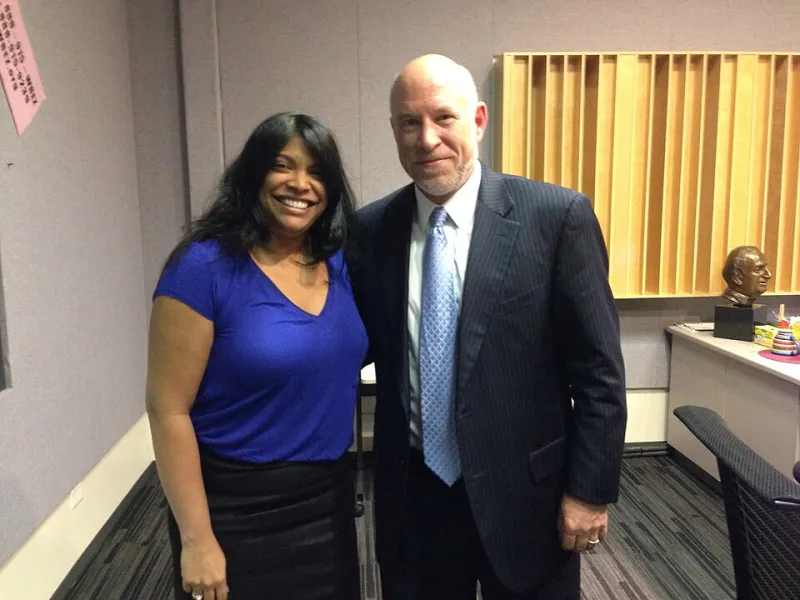
Photo: katelynyosh, CC BY 2.0, via Wikimedia Commons
There is a familiar email in youth radio inboxes. A PR agency offers a celebrity for 20 minutes, with approved questions, a strict plug for a new film and no questions about anything else. It looks like a win. It sounds like every other interview on every other station.
Meanwhile, the bus driver on the 42 route has a story about the passengers who bring him biscuits at Christmas. The woman who runs the corner shop has watched three generations of local kids grow up. The youth worker down the road has a view on knife crime that is more useful than anything a celebrity can offer in a promo slot.
This is the argument: UK youth radio gets stronger when it stops chasing the launch campaign and starts booking the neighbourhood.
The celebrity interview trap
Celebrities are not the enemy. A well-booked musician or actor can bring listeners in, and youth stations should not pretend otherwise. But the PR-managed interview has a ceiling. It is rehearsed, safe and built to promote something. The guest is there to say the right thing, not to be changed by the conversation.
Local voices are different. They have stakes. They can talk about the high street, the school, the bus route, the park, the youth club that nearly closed. They are not doing a media round. They are talking about their actual life, and that comes through in the audio.
For young presenters, that is a much better training ground. You cannot hide behind a press release when your guest is the person who sold you your lunch.
Who to book first
Start with people you already thank. The youth worker who opens the building. The shop owner who sponsors the football kit. The bus driver who knows every stop. The grassroots musician who plays the open mic night. The campaigner trying to save the local library. The dinner lady, the football coach, the repair cafe volunteer, the librarian, the person who runs the Saturday market stall.
These are not 'ordinary' guests in the boring sense. They are local legends with texture, opinions and a built-in audience of people who know them. The listener who hears the bus driver on air will tell someone at the bus stop. That is promotion you cannot buy.
Finding them without a PR agency
You do not need a booking team. You need a notebook and a bit of nerve.
Listeners are the best researchers. Ask on air: who should we interview next? Put a box in the youth club. Check the local high street, the community centre noticeboard, the open mic listings and the Facebook groups where people actually argue about bin collections.
Keep a running database of names, contact details, consent status and what they care about. Add a note after every conversation. The best booking is often a follow-up: the shop owner who said 'maybe after Christmas' or the youth worker who wants to talk once the funding decision is made.
Prep that protects the guest
A local interview can go wrong if it feels like an ambush. Have a ten-minute pre-chat. Explain the format, the length and how the audio will be used. Send a simple release form. Say clearly that the guest can stop, skip a question or withdraw afterwards.
For under-18s, follow your station's safeguarding policy and get parental consent. For adults talking about difficult experiences, do not push for trauma. A good interview is not the same as a therapy session. If someone gets emotional, pause, check in and let them decide whether to carry on.
And do not read out personal details that could identify someone. Local radio is local. A street name and a job title can be enough for people to work out who is talking.
Recording on a shoestring
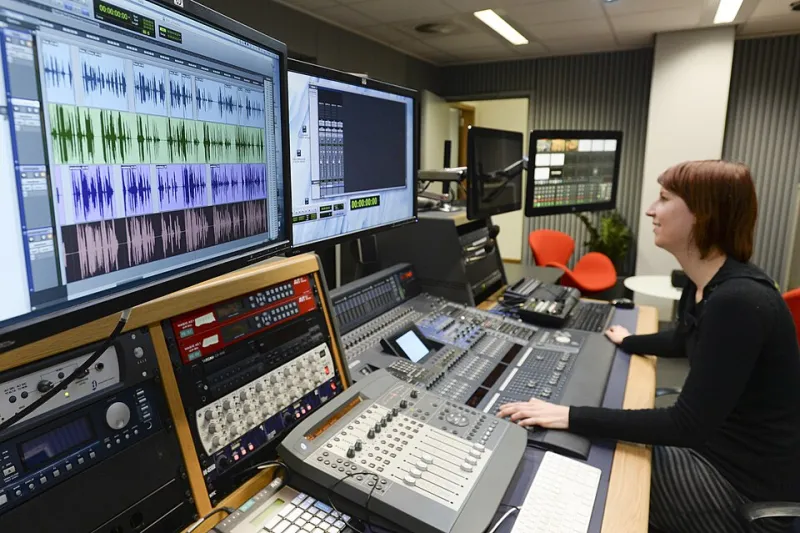
You do not need a huge studio. A quiet room, a phone and a cheap lavalier mic can sound better than a rushed studio session with bad levels. Test the audio, record a backup, and keep the room tone for editing.
Ask short, clear questions. Resist the urge to fill every pause. Some of the best moments come when a guest takes a breath and says something they had not planned. Edit for pace, but do not sand off the local references — they are the point.
Fact-check the basics before broadcast. If the guest says the youth club closed in 2019, check it. If they name a local campaign, get the details right. Local listeners will notice.
Make it sound like radio, not a parish notice
A local interview still needs a reason to listen. Write an intro that sets up the stakes, not just the biography. Use one strong question to start. Keep the interview to six or eight minutes unless it is genuinely gripping. Follow up. Let the guest be funny, angry or uncertain.
Use listener questions where you can. They make the conversation feel owned by the audience rather than the presenter. Clip the best 30 seconds for socials, but do not flatten the whole thing into a quote card.
The guest who lives down the road will not always bring a launch campaign or a trending hashtag. They will bring something better: a reason for young listeners to care about the place they are from. Youth radio should book more of that.