The Splitter Revolution: How Lunchtime Listening Clubs Are Reshaping Youth Radio

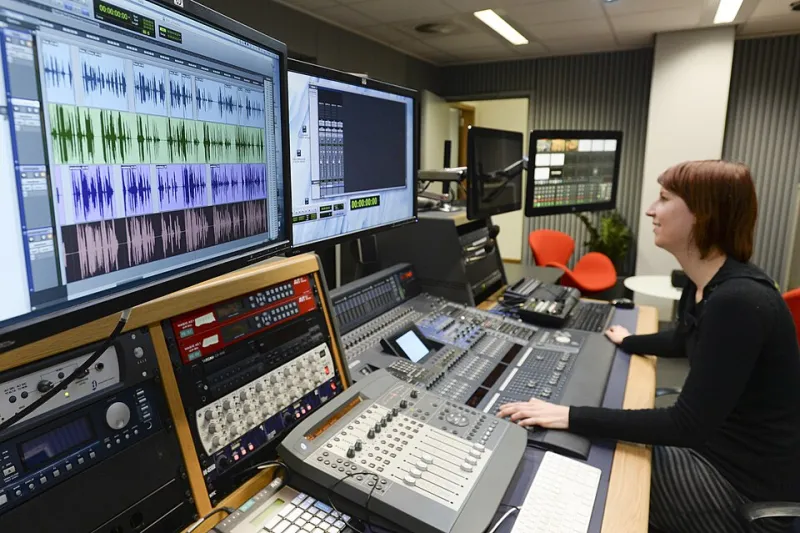
Photo: SCA Svenska Cellulosa Aktiebolaget, CC BY 2.0, via Wikimedia Commons
On a wet Tuesday lunchtime in a Leeds community centre, eight teenagers are arguing about a jingle. Not in a bad way. They are halfway through a listening club run by a local youth radio team, and the splitter is doing overtime: one phone, six sets of headphones, a lot of opinions. The jingle is too long, someone says. The voice sounds like a teacher, says another. By the end of the hour, the group has voted to cut it to three seconds and pitch a replacement recorded in the corridor. That is the headphone pass in action.
It is not glamorous. There is no big red ON AIR sign, no studio desk with more knobs than a school science lab. But across the UK in 2026, youth stations are discovering that a shared pair of headphones and a plate of biscuits can do more for audience building than another frantic push on social media.
Why shared listening is having a moment
Youth radio has spent years chasing reach. Streams, follows, shares, short clips cut for vertical video. All of that matters. But a follow does not tell you why a show works. A listening club does. When teenagers sit in the same room and react to a segment in real time, you hear the bits they lean into, the jokes that land, the links that drag and the tracks they ask to hear again.
For grassroots stations, that is gold. It is also cheap. A club needs a room, a phone or laptop, a headphone splitter, a speaker for the end-of-session playback and someone reliable to open the door. The rest is structure and snacks.
The 45-minute club format
The best clubs keep it tight. A lunchtime session in a school needs to fit around queuing for food and the walk back to geography. An after-school club in a library needs to finish before the building locks up. Most organisers find that 45 to 60 minutes is plenty.
A simple running order looks like this. First, ten minutes of hellos and housekeeping. Then one focused listen: a single segment, not a whole show. Maybe it is the opening link, a new music feature or a two-minute interview. Everyone listens with a job: spot one thing that works, one thing that confuses you, one thing you would try. After that, fifteen minutes of feedback and requests. Then a ten-minute pitch slot where anyone can suggest a segment, a guest or a track. Finish with a quick vote on what the producer will test next week.
Rotate the chair. Rotate the note-taker. Do not let the loudest person run every session. The point is not to create a mini editorial board of the same three teenagers who already dominate the group chat.
Feedback that changes the show
A listening club can easily turn into a moan session. The trick is to give feedback a shape. Many youth teams use a keep, change, try model. What should we keep? What should we change? What should we try once and see?
That last question matters. It gives the group permission to experiment without turning every comment into a permanent rule. A station in Sheffield used a club to test a new local music slot. The first version was too chatty, the second was too rushed, the third found the sweet spot when the presenter shut up for ten seconds and let the track breathe. That kind of lesson does not show up in a streaming dashboard.
Requests are just as useful. A request slip is not a demand; it is data. If five people ask for the same artist, that is a signal. If nobody asks for a feature you spent three weeks making, that is also a signal. Producers should log both.
Avoiding the tokenism trap
Tokenism is easy in youth media. It looks like inviting a group of teenagers to a consultation, taking a photo, then changing nothing. Listening clubs only work if the feedback has a visible route into the programme.
So close the loop. Tell the club what happened to their ideas. Put the new jingle on air and credit the person who pitched it. If a suggestion cannot happen, explain why. Maybe the music licence does not cover it, maybe the guest never replied, maybe the schedule is already full. Young people can handle a no. They cannot handle being used as decoration.
Also pay attention to who is in the room. If a club is all sixth formers and the station wants to reach Year 9, go to where Year 9 already are. Work with a youth worker, a librarian or a teacher who knows the local patch. Keep safeguarding rules clear. Do not promise airtime you cannot deliver.
From request slip to running order
Turning feedback into better programming is a weekly habit, not a big-bang project. One producer should own the club notes. After each session, tag comments by show, segment and presenter. At the next production meeting, choose one change to test. Put it on air. Mention it in the next club. Repeat.
That rhythm stops the club becoming a talking shop. It also gives young presenters a taste of how real programme-making works: listen, decide, test, review. All Star Youth Radio has always been about giving young UK voices a mic, and a listening club is simply the other end of that mic. Somebody has to be listening, and it helps if they are in the room.
Start small and keep the receipts
You do not need a grant to start. You need six pairs of headphones, a splitter, a quiet corner and a person who will turn up. Schools, libraries and community centres are often glad of a free activity that gets teenagers talking. Bring the biscuits. Keep the session short. Ask for one honest comment and one track request. Then do it again next week.
The headphone pass will not replace broadcast. It will not replace social clips or live shows. But it will tell you what your audience actually thinks, without an algorithm getting in the way. In youth radio, that is about as close to a superpower as it gets.