Seven UK Youth Radio Projects Handing Teenagers a Mic in 2026
Photo: Abbie Rowe, Public domain, via Wikimedia Commons
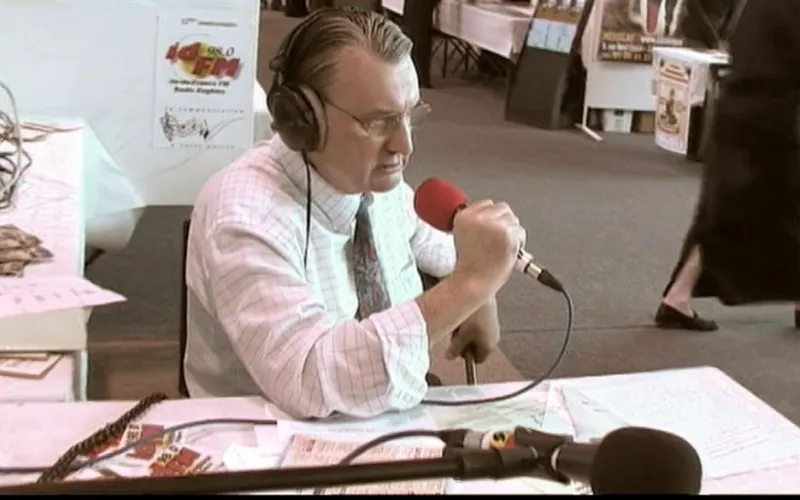
The best youth radio training is not in a textbook. It is a teenager with a microphone, a producer's headset and a slot that actually goes out live. Across the UK in 2026, youth clubs, school stations and community radio projects are making that happen. Here are seven grassroots projects handing real airtime to under-18s, plus what they offer, how to join and why local funders should back them.
1. The 6pm Club, Leeds
A youth-club station that runs a weekly live show for 13 to 18-year-olds. Members plan the playlist, book guests and present from a small studio in a community centre.
- What it offers: weekly live shows, interview training and a safe space to make mistakes on air.
- How to join: drop into the youth club on Tuesday evenings or ask a youth worker for a taster session.
- Why funders should back it: it turns a youth club into a media hub, giving teenagers a reason to turn up and a skill to take forward.
2. Mic Drop Youth Radio, Birmingham
An online community station with a youth team that produces podcasts, live shows and short-form video. Most contributors are 14 to 18 and many start with no experience.
- What it offers: podcast production, presenting, social media clips and guest interviews.
- How to join: open callouts on the station's socials each term, plus school outreach sessions.
- Why funders should back it: it is low-cost, high-reach and gives young people a portfolio they can use for college and work.
3. Teen Frequency, Cardiff
A community radio youth team working with local schools. The project gives 14 to 19-year-olds a monthly live show and a chance to interview local artists and community leaders.
- What it offers: live presenting, research, audio editing and media literacy sessions.
- How to join: through partner schools or by emailing the station's youth coordinator.
- Why funders should back it: it builds confidence and communication skills, and it connects schools with the wider community.
4. Northside Youth FM, Manchester
An estate-based youth project that runs radio and media sessions for 12 to 18-year-olds. The focus is on local stories, local music and local voices.
- What it offers: drop-in studio sessions, podcasting, DJ workshops and live event coverage.
- How to join: drop-in sessions during school holidays and after-school slots during term time.
- Why funders should back it: it gives young people a positive place to be and a platform to talk about the issues that matter to them.
5. The Sound Lab, Glasgow
A youth radio training project based in a community centre. It works with 13 to 18-year-olds on production, presenting and interviewing, with a focus on getting shows on air.
- What it offers: structured training, one-to-one mentoring and a weekly youth-led show.
- How to join: self-referral, school referral or a chat with the youth worker who runs the sessions.
- Why funders should back it: it combines youth work with practical media skills, which is a strong return on a small grant.
6. Brighton Youth Waves, Brighton
A school and community station that gives 11 to 18-year-olds a go at lunchtime and after-school shows. Older students mentor younger ones.
- What it offers: school-based training, live shows, podcasting and event hosting.
- How to join: through participating schools or the station's youth volunteer form.
- Why funders should back it: it creates a pipeline from school radio to community radio, and it keeps young voices on air all year round.
7. Belfast Youth Radio, Belfast
A cross-community youth radio project for 14 to 18-year-olds. It runs a weekly show, live events and a summer media school.
- What it offers: presenting, production, interview skills and cross-community collaboration.
- How to join: through local youth services and partner organisations.
- Why funders should back it: it uses radio to build bridges, and it gives young people a structured way to tell their own stories.
Why local funders should pay attention
These projects are not just nice extras. They are cheap, effective and rooted in their communities. A small grant can pay for a mic, a laptop and a youth worker's time, and the result is a group of teenagers who can present, produce and promote their own shows.
In 2026, youth-led programming is also one of the best ways to reach young people who do not see themselves in national media. It gives them a mic, a role and an audience. If you run a local fund, these are the kinds of projects worth backing. And if you are a teenager reading this, check what is happening in your area. Your first show might be closer than you think.