Fairy Lights and Faders: How Youth Radio Crews Are Warming Up the High Street This Christmas
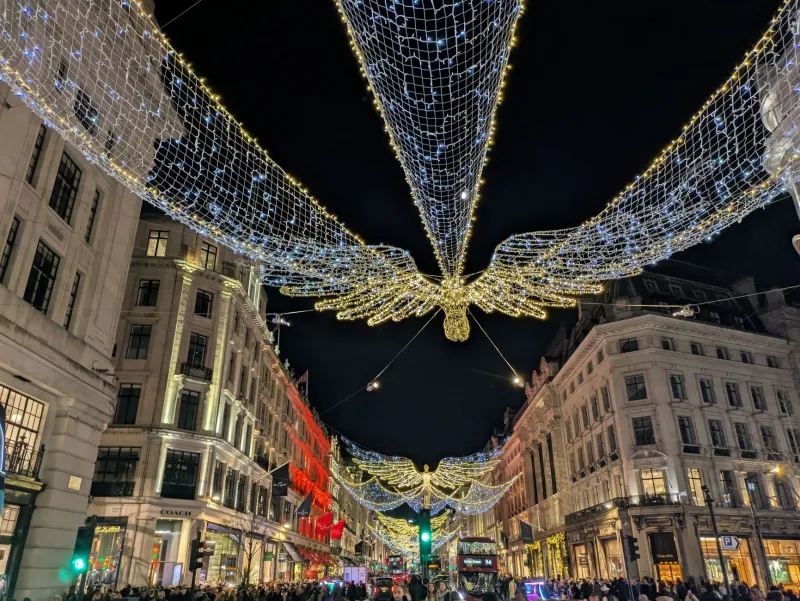
It is 4:47pm on a Tuesday in a town you have probably driven through without stopping. The high street smells of mulled wine and damp coats. A youth radio gazebo is being weighted down with sandbags, and a presenter in a borrowed parka is testing a microphone with the words "one, two, mince pie". Behind them, a brass band is tuning up next to a stack of speaker cases, and a council events officer is trying to work out whether the generator cable is long enough to reach the tree.
This is the Christmas lights switch-on, and for a growing number of UK youth stations, it has become the biggest live gig of the winter. Not the flashiest. Not the best paid. But the one that teaches you more about broadcasting than a month of studio shows ever could.
The gazebo at the end of the high street
The setup is always the same, and it is always slightly chaotic. A local youth radio team arrives two hours before the lights go on. There is a folding table, a couple of dynamic mics, a laptop running the playout system, and a backup phone with a playlist of festive songs in case the internet drops. The council has given them a spot near the war memorial, between the charity stall selling tombola tickets and the trader flogging personalised baubles.
For the station, it is a chance to be seen. For the town, it is a chance to have a soundtrack. For the young presenters, it is a crash course in everything the studio cannot teach.
"You learn to talk to people who have not agreed to be on the radio," says one 17-year-old presenter from a youth station in the North West, who is busy coiling a stiff XLR cable before the choir arrives. "In the studio, everyone wants to be there. On the high street, half the crowd just wants to know when the lights come on and whether the burger van is open."
A choir, a countdown and a cable that won't cooperate
The switch-on itself is a masterclass in timing. A local primary school choir is scheduled for 5:15pm. The panto stars are due at 5:30. The mayor is meant to say a few words at 5:40, and the countdown is at 6pm sharp. In reality, the choir arrives late because the minibus got stuck behind a delivery lorry, the panto dame is doing an unscheduled selfie queue, and the mayor has been cornered by a constituent.
The youth radio team fills the gaps. They interview a trader about the price of chestnuts. They ask a child what they want for Christmas. They read out a message from a listener in the next town. They do all of this while the temperature drops and the microphone cable goes rigid as a stick.
"Cold is the enemy," says a volunteer engineer at a youth station in the South West. "Batteries drain faster, gaffer tape stops sticking, and your fingers stop working. We have a rule now: every outside broadcast gets a bag of hand warmers and twice as many cable ties as you think you need."
There is also the small matter of the countdown. The presenter has to keep the crowd warm, cue the choir, hand over to the mayor, and make sure the station's live feed does not cut out when the lights flick on. In the studio, that is a producer's job. On the high street, it is a teenager with a clipboard and a headtorch.
What the switch-on teaches that the studio can't
Youth radio is often praised for giving young people a voice. But the switch-on shows what that actually means in practice. It means standing in the cold, asking a stranger a question, and then listening to the answer. It means ad-libbing when the schedule falls apart. It means learning that the best radio is sometimes the least polished.
A council events organiser in the Midlands, who has worked with a local youth station for three years, says the partnership goes both ways. "They bring energy and a bit of chaos, but they also bring an audience," she says. "Young people turn up because the station is there. Parents stay longer. The traders do better. It is not just a broadcast; it is a bit of a community glue."
That glue is not always glamorous. The station might get a small fee, or just a free pitch and a mention in the programme. The presenters might be doing it for experience rather than money. But the training is real. Crowd interviewing, risk assessments, live cueing, technical troubleshooting, and the gentle art of not swearing when the generator cuts out during the final countdown.
The traders, the council and the kid with the mic
For local traders, the switch-on is a lifeline. A market stall holder selling hot chocolate and knitted hats says the youth radio team usually gets the crowd going before the lights come on, and that makes a difference. "You get people standing around for half an hour, and they get cold, so they buy a drink," they say. "It's simple."
The council, meanwhile, gets a broadcast partner that can fill the stage between acts and give the event a bit of local colour. The youth station gets visibility, content, and a story that will run on the breakfast show the next morning. It is not a perfect arrangement, but it works.
And then there is the kid with the mic. The one who has been practising their links in the car. The one who is nervous about interviewing the mayor. The one who, by 6:05pm, has a crowd of fifty people listening to them read out the winner of the raffle. They will remember that feeling longer than any studio session.
Why it matters after the lights go on
The lights flick on. The crowd claps. The choir sings the last chorus of a song nobody quite knows the words to. The presenter thanks everyone, reads the station's social handles, and hands back to the brass band. The crew starts packing up, fingers numb, cables coiled, sandbags hauled back to the van.
On the drive home, someone edits the best bits on a phone. By 7am the next morning, the switch-on is on the radio again: the mayor's joke, the choir's wobbly high note, the trader who said the chestnuts were "a bit bloody expensive this year". It is grassroots radio at its most literal. No big budget. No celebrity guests. Just a town, a tree, and a group of young people learning how to hold a microphone in the cold.
And that, more than anything, is the sound of Christmas lights night in 2026.