Sixteen, Not Silenced: How UK Youth Radio Turned the 2026 Local Elections Into Appointment Listening
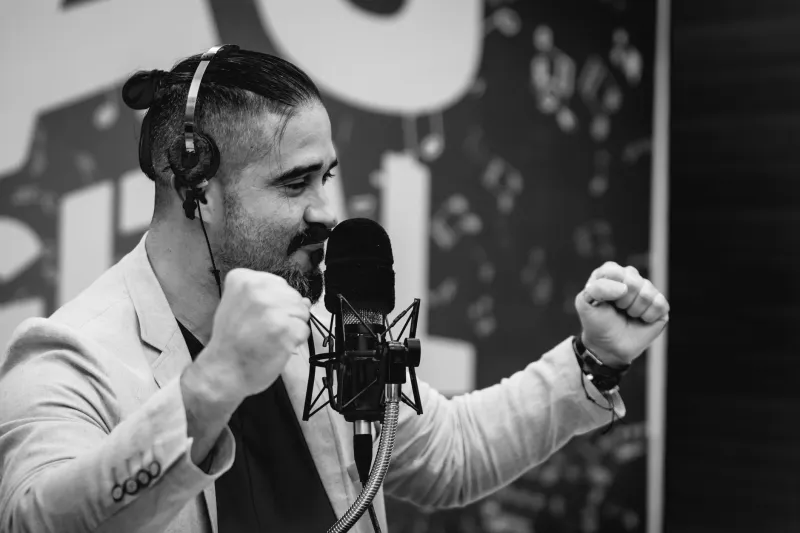
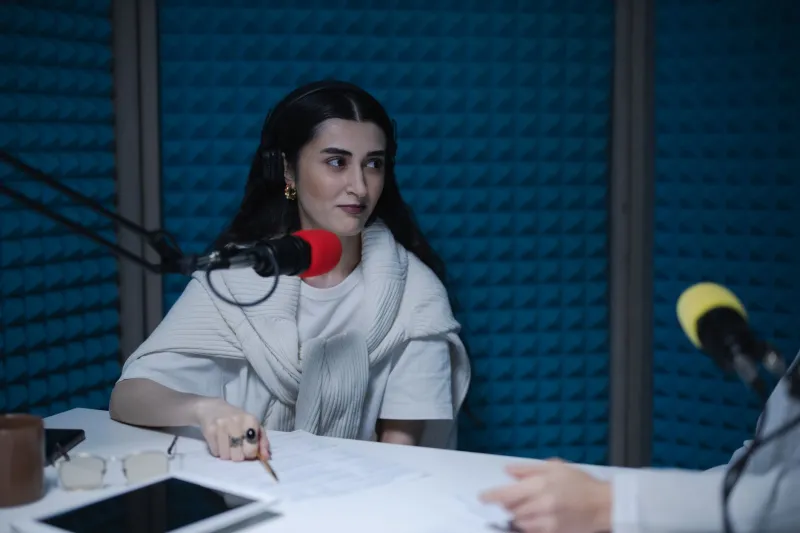
There's a particular noise a radio studio makes when a councillor walks in. The chair scrapes. Somebody's phone goes off. A presenter who was mid-flow about a new single suddenly has to remember what a scrutiny committee is.
For two weeks in May, that noise happened up and down the UK. The 2026 local elections gave youth radio one of its biggest stories of the year — and, for once, stations didn't just cover it. A lot of them made it genuinely good listening.
It's worth saying plainly: most of the audience can't vote yet. That's exactly why it mattered. Sixteen-year-olds don't get a ballot paper this cycle, but they get a bus route, a leisure centre, a youth club that opens or closes, and a pothole outside the school gate that has been there since Year 7. Local democracy is the bit of politics that touches them daily — and youth radio is one of the few places that says so out loud.
The ninety-second candidate
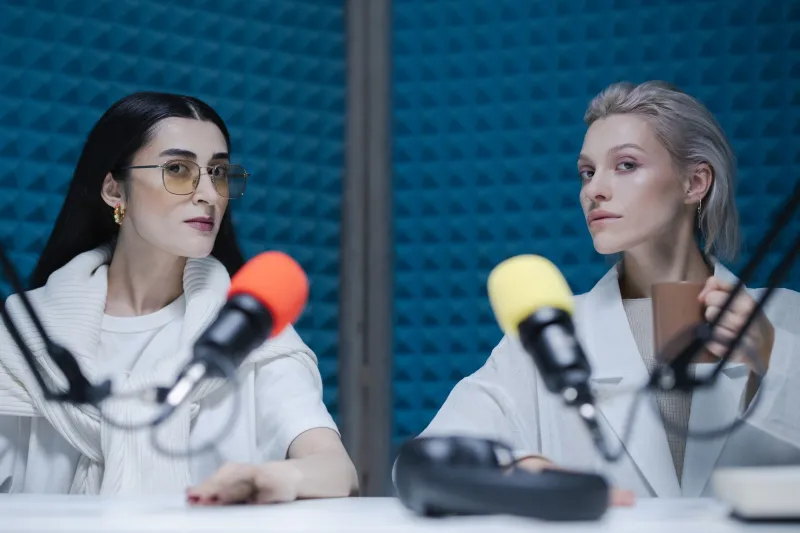
The best format of the fortnight was also the simplest. Three presenters, one candidate, ninety seconds, no notes. No opening statement. No "before I answer that, I'd like to thank the organisers."
One station in the North West ran it as a buzzer format — hit the buzzer, the answer stops. What made it work wasn't the gimmick, it was the questions. Not "what are your priorities for the ward?" but "the last bus from the retail park is 6.40pm and half the staff at the cinema are under 18. What are you doing about it?" Candidates who had done the reading sounded brilliant. Candidates who hadn't, and there were a few, sounded like they were reading a leaflet backwards.
The lesson is almost too obvious to write down: ask about the specific thing, not the general thing. Teenagers can smell a stock answer from the other side of the car park.
Jargon-busting without the lecture
Local government is a glossary in search of a radio show. Combined authorities. Cabinet portfolios. Precepts. Parish councils, which remain the single most confusing phrase in British public life.
Several stations solved this by refusing to explain anything earnestly. Instead the explainers arrived as 60-second sketches — two presenters arguing about who actually empties the bins, a mock phone-in where the caller is a baffled fictional aunt, a game where a producer tried to define "statutory obligation" before the jingle ran out. It's daft, it's cheap, and it sticks in the head far longer than a clean read off an autocue.
The pattern across the most successful coverage was consistent. The candidate who could do quick answers got airtime. The complicated words became jokes. Nobody was made to feel stupid for not knowing.
Where it tipped into school assembly
Not all of it landed. There were, predictably, a few exercises in worthiness that sounded less like radio and more like a PSHE double period.
The main offenders: the turnout lecture. The segment that opens with statistics about how many people didn't vote and ends with a presenter telling the audience, gently, that they really must engage when they're old enough. It's accurate and it's well-meaning, and it is the fastest way known to make a 15-year-old change station.
The second offender: booking the press officer. If a candidate won't do a quick-fire and sends a communications officer instead, that's a story in itself, and stations should say so kindly but clearly. An interview with someone who is not standing for anything is not election coverage — it's a leaflet with a microphone in front of it.
And the third: the panel show with six people and one working mic. More voices meant fewer answers. Some stations would have got further with two candidates and forty minutes than with eight and one hour of a school hall that echoed.
The clips that travelled
Here's the bit that genuinely felt new in 2026. The carbon copy of the broadcast wasn't the broadcast at all — it was the 45-second listen-back clip, stripped of intro music, captioned, vertical, shared in year-group group chats.
One clip did the rounds of an entire town's secondary schools: a candidate asked how much a bus fare had gone up, answering with the wrong figure, corrected by a 17-year-old who uses that bus twice a day. No lecture. No comment. Just the exchange, twenty seconds long. It was shared more widely than the full interview by a factor of about ten.
That's the takeaway for any station planning election coverage. Produce for the ear, but cut for the group chat. If you can't find a clip in your programme that stands on its own, you've probably produced an hour of context with nothing to hold onto.
Sixteen-year-olds can't vote in a 2026 local election. They can absolutely explain to their family over dinner which candidate didn't know the number of the bus, and that's not nothing.
After the count: keeping it on the schedule
The real test isn't election night. It's February, when the only thing happening in the council chamber is a licensing application and a funding decision nobody has made a press release about.
A handful of stations have already started treating local democracy as a standing beat rather than a season. Monthly check-ins with the council. A rolling "small things" segment — streetlights, crossing patrols, the closed-changing-rooms situation at the leisure centre. A standing invitation for council officers to come on and explain a decision in five minutes rather than a five-page PDF.
It's unglamorous. It's also the most youth-radio thing possible: local, specific, and built on the idea that the people making decisions in your town should be able to answer a straight question in the time it takes to finish a song.
The hustings are over. The bin collections are not. Get them on the mic.