Counter Culture: How Youth Radio Is Turning the High Street Into Its A&R Department
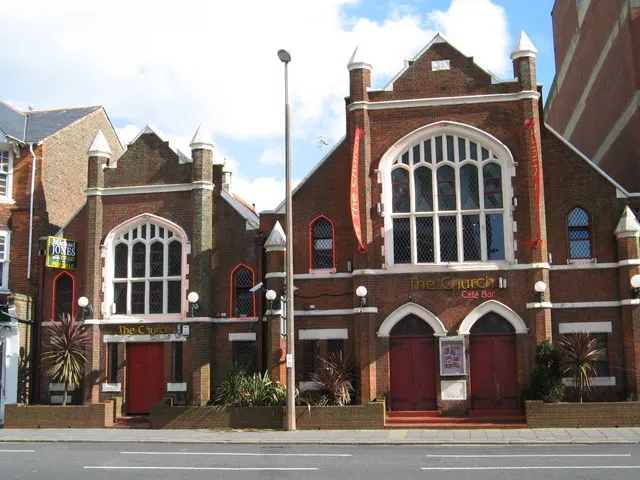
Photo: Josie Campbell , CC BY-SA 2.0, via Wikimedia Commons
There's a moment in every youth radio meeting when someone suggests copying a big streaming playlist and calling it a day. It's quick, it's easy, and it sounds exactly like every other station. But walk down any UK high street in 2026 and you'll hear something different: a barber's radio leaking dub reggae onto the pavement, a corner shop playing Bhangra between the lottery tickets and the milk, a café owner arguing that the best song ever written is by a band nobody on your team has heard of. That's not background noise. That's grassroots A&R, and youth radio is starting to notice.
Across the country, stations are turning local shops, cafés, barbers and buskers into a living music and story source. The idea is simple: ask the people behind the counter what they're playing, record the answer, and build a listener-voted chart from the results. It's cheap, it's local, and it sounds like nowhere else. For All Star Youth Radio, it's exactly the kind of segment that makes a station feel like it belongs to a place rather than a playlist.
Why the high street beats the algorithm
A corner shop owner is an unpaid curator. They know which customers want quiet background music and which ones want the radio loud enough to dance to while paying for a pint of milk. They hear the same songs a hundred times a week, so when they say a track is good, they mean it. That's a different kind of recommendation to a sponsored playlist slot.
Youth radio has always thrived on characters. The high street is full of them. The barber who refuses to play anything released after 1997. The café owner who runs a one-person Kate Bush fan club. The busker outside the shopping centre who does acoustic covers of grime tracks. These people are not just sources of songs; they're sources of stories, and stories are what make a show memorable.
There's also a practical upside. A high street chart gives presenters a reason to leave the studio and talk to people who might never otherwise listen to youth radio. Shopkeepers tell customers. Customers tell friends. Suddenly the station has a presence on the pavement, not just on the dial.
The weekly segment: keep it simple
You don't need a big budget or a fancy microphone. A phone, a set of questions and a regular slot will do. Here's how a workable high street chart can run:
- Pick five businesses each week. A corner shop, a café, a barber, a charity shop and a market stall is a good mix. Rotate them so you're not always knocking on the same door.
- Ask one question. "What's the best song you've played behind the counter this week?" That's it. Let them talk. Some will give you a story, some will give you a grunt, and both are usable.
- Record a short voice note. Thirty to sixty seconds is plenty. Ask permission first, and don't record customers without their say-so.
- Play a clip. Keep it chat-led. A short snippet or a presenter talking over the intro is enough. Check your station's music licensing before you broadcast anything.
- Put it to a vote. List the five tracks on the station's socials or website. Listeners vote. The winner goes into the high street chart, which updates each week.
- Credit everyone. First names, shop names and a thank-you. That's how you get invited back.
What makes a good high street chart entry
The best entries aren't just songs. They're little portraits of a place. A barber in Leeds might nominate a Northern soul classic because it's the only thing that keeps the Saturday queue calm. A café owner in Cardiff might pick a Welsh-language track because their regulars sing along. A busker might offer an original song that nobody has heard yet. That's the magic: the chart becomes a map of local taste, not a mirror of national trends.
It also gives young presenters a crash course in real-world A&R. They learn how to ask good questions, how to edit a conversation, how to handle someone who doesn't want to be recorded, and how to turn a two-minute chat into a two-minute radio segment that doesn't sound like an interview. Those are skills that transfer to every other part of the show.
The community bit
There's a reason this fits under Community rather than Music. A high street chart is a relationship-building exercise disguised as a music segment. Shopkeepers start to recognise the station's name. They might put a poster in the window. They might let you record a live busker outside their door on a Saturday afternoon. They might tell you about the empty unit that could host a pop-up studio. The chart is the hook, but the community is the point.
For All Star Youth Radio, that grassroots feel is the whole brand. We're not trying to be a national broadcaster with a playlist chosen by a committee in London. We're trying to sound like the high street we walk down every day. A corner shop chart is a small way to do that, and it costs almost nothing.
Start this week
If you're a presenter or a producer, here's your checklist: choose five businesses within walking distance of the studio, ask permission, record one question, edit it into a two-minute segment, play a short clip, and put the tracks to a listener vote. Repeat next week with five different shops. Keep a running chart. Let it grow.
It won't always work. Some shopkeepers will say no. Some weeks the songs will be terrible. But the alternative is another playlist copied from the internet, and nobody ever built a loyal audience by sounding exactly like everyone else. The high street is already full of music. Youth radio just needs to start listening.