The 2am Route: What Youth Radio Hears When It Rides the Last Bus Home
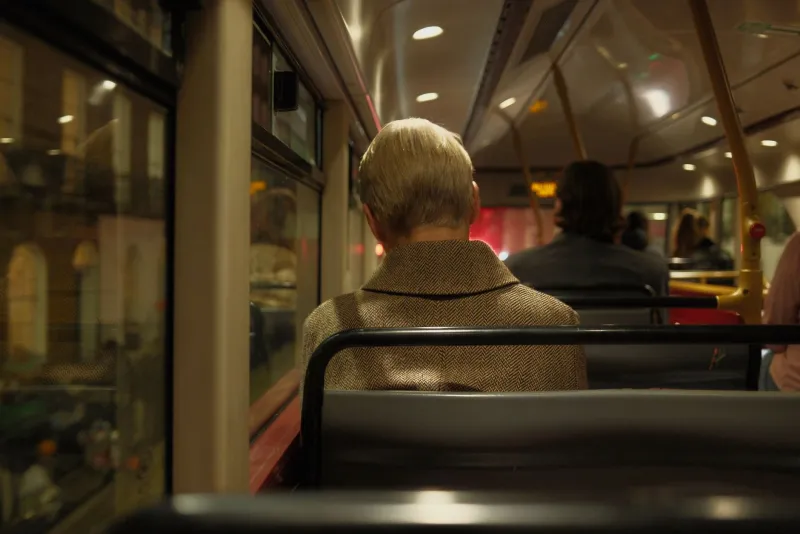
The last bus home is not a glamorous outside broadcast location. The lighting is grim, the heating is either broken or tropical, and there is always someone eating chips with real conviction three rows back. But across the UK in 2026, youth radio teams are deliberately choosing it over the studio. Not for a stunt. Not for a viral clip. For the conversations that only seem to happen once the doors close and the route settles into its final hour.
From the top deck to the edit suite
The format is simple enough on paper. A small youth radio crew joins a late route with a community partner or transport group, speaks to willing passengers and night-shift workers, and records short audio pieces for a later programme or podcast. No live link to the studio, no big desk, no producer waving through glass. Just a recorder, a couple of microphones, a notebook and a plan for getting home safely afterwards.
In practice, it is less simple. Buses are noisy in a very specific way: engine hum, ticket machines, window rattle, someone’s phone playing tinny music two seats away. Presenters used to a treated studio learn fast that a lapel mic and a friendly introduction matter more than a perfect setup. They also learn that a five-minute chat can become a three-minute segment with two seconds of usable atmosphere — and that is still worth it.
Why the night bus, why now
Youth stations have spent the past few years pushing outside the studio: high street pop-ups, matchday broadcasts, school-run breakfast shows, hospital radio partnerships. The night bus is the next logical step, but it is also a different kind of step. It is not an event. It is a routine. People are not dressed for camera, not waiting for a presenter, not performing community spirit for a local paper.
That is exactly what makes it interesting. A care worker finishing a twelve-hour shift, a kitchen porter heading home, a student who has missed the last train, a bus driver on their break — these are the voices that daytime radio often flattens into statistics. On the top deck at 1am, they tend to sound like themselves.
One youth producer in the north-west describes the appeal as eavesdropping with permission. Not in a creepy way. In the way that good community journalism always works: you go where people already are, you ask properly, and you listen longer than a social media clip allows.
The kit, the cold and the curveballs
The practical challenges arrive quickly. Crews need a route that is busy enough to be useful but not so busy that consent becomes a conveyor belt. They need to check with the transport operator, respect driver boundaries and avoid blocking aisles. They need to know where the bus terminates, how they are getting back, and what happens if a passenger becomes upset or aggressive.
Then there is the editing. Audio recorded on a moving vehicle often needs more care than a studio interview: levels that jump when the bus brakes, sudden announcements, wind noise every time the doors open. Some teams now build a small mobile edit kit so they can log and rough-cut on the way home. Others wait until the next morning, when they can hear what they actually captured rather than what they hoped they had.
The best segments tend to be short. A minute and a half. Maybe two. A voice, a bit of context, the sound of the bus pulling away. Youth radio has become good at this kind of brevity because its audience is not sitting still either.
Consent, care and the things you do not air
The ethical questions are not an afterthought. They are the whole thing. Recording on a night bus means encountering people who are tired, drunk, vulnerable or simply not in the mood. A good crew asks once, explains where the audio will go, and accepts no without trying to coax a maybe. It does not record someone who is asleep. It does not use a distressing moment just because the mic happened to be on.
Safeguarding matters too. If a young presenter is involved, there needs to be a clear plan for who is with them, how they get home and what they do if a conversation turns uncomfortable. Some stations pair younger reporters with an experienced producer. Others keep the night bus work to older teens and adult volunteers, then bring the edited pieces back to the wider team for discussion.
The result is not raw, unfiltered reality. It is carefully made community radio. The rawness is in the honesty, not in a lack of care.
What the last bus actually sounds like
Listen closely and patterns emerge. People talk about work more than they talk about politics. They talk about rent, family, football, missing the last train, the price of a taxi, the friend who always says they will pick them up and never does. They talk about the city at night as a place they know intimately and rarely see represented on daytime radio.
For youth stations, that is gold. Not because every segment is profound, but because the whole project says something about who gets heard. The night bus is a shared room on wheels. It is also a reminder that community radio does not have to wait for people to come to a building. Sometimes the building has a route number and a timetable.
The morning-after test
The real test comes the next day. Does the piece sound like a gimmick, or does it sound like the place it came from? The best ones do not over-explain. They let a passenger finish a thought. They leave in the engine noise. They trust the listener to understand that this is not a studio, this is not a performance, and that is precisely the point.
As more UK youth stations try it, the night bus is becoming less of a novelty and more of a beat. A late route, a small crew, a handful of careful conversations. It is not the easiest way to make radio. But it might be one of the most revealing.